Criminal Insults on Social Media: Penalties and Compensation in Turkey
Insulting comments, posts, and private messages on social media can damage a person’s honor and reputation. Depending on the circumstances, such expressions can have legal consequences, both in terms of criminal law and compensation.
Can someone who insults others on social media face imprisonment? Can a compensation lawsuit be filed for insult? How much compensation can be demanded from the person who committed the insult? What is prepayment in insult cases? Does the victim’s right to compensation disappear if prepayment is made? In this article, we address the legal avenues available for insults on social media and answer fundamental questions that may arise.
What Constitutes the Criminal Offense of Insults on Social Media?
The crime of insult is regulated in Article 125 of the Turkish Penal Code No. 5237.
According to the law, attributing a concrete act or fact to a person that is likely to harm their honor, reputation, and dignity, or attacking a person’s honor, reputation, and dignity through insults, constitutes the crime of defamation.
The crime of insult does not necessarily require a face-to-face encounter. Actions carried out through social media platforms, websites, and digital communication tools can also be considered insults if the elements of the crime are present.
For example;
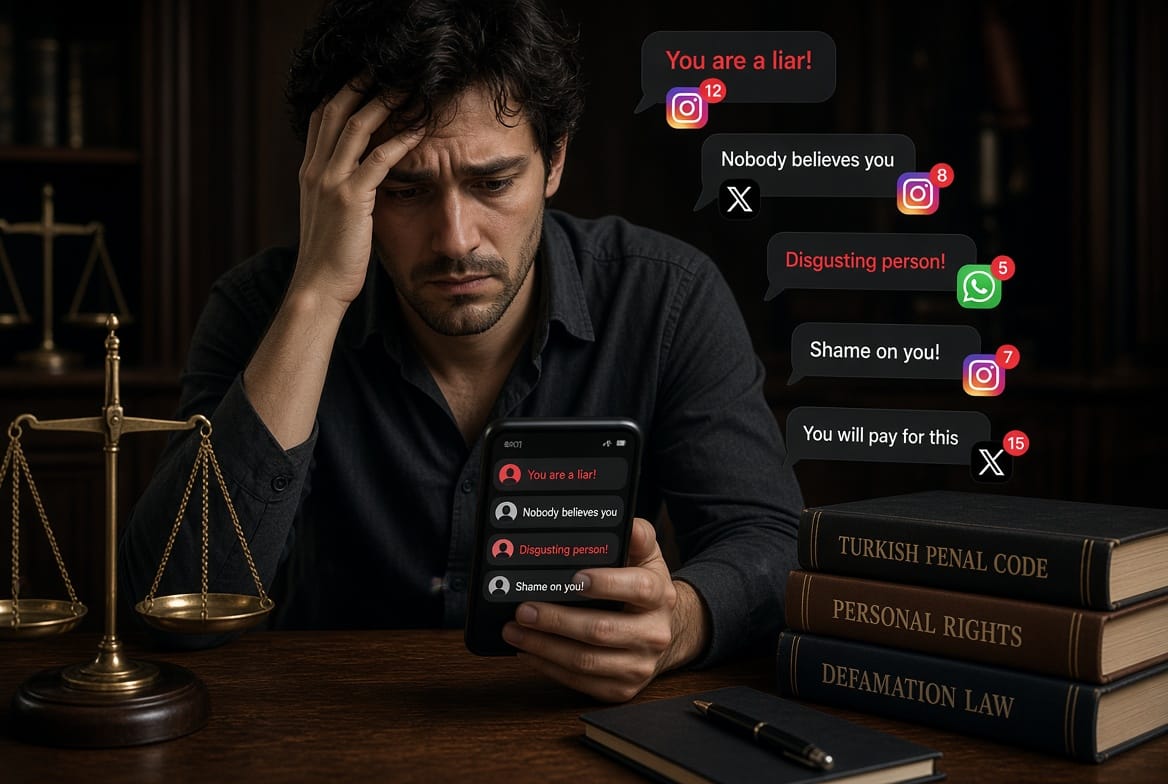
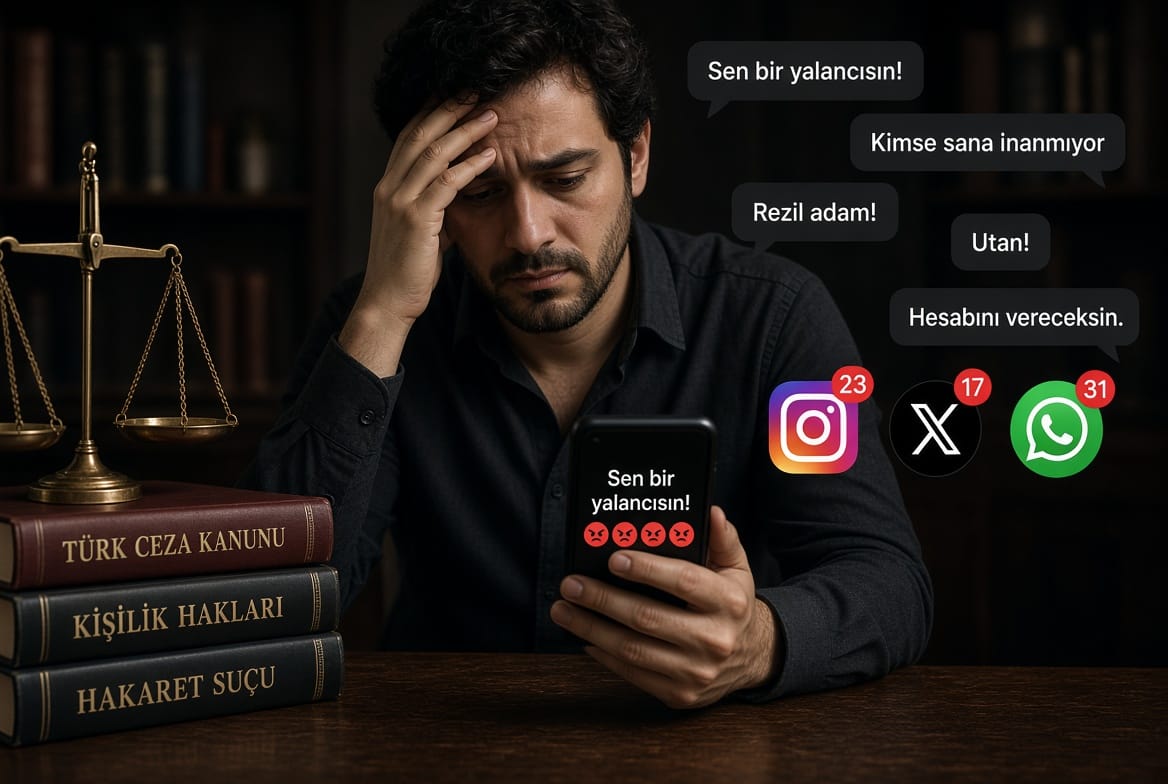
Posting insulting comments under someone’s Instagram post;
Publishing insulting statements about someone on X;
Leaving abusive comments under YouTube videos;
Insulting someone during a TikTok livestream;
Sending insulting messages through WhatsApp or other messaging applications;
Sharing someone’s photograph or video with captions intended to humiliate them.
However, not every negative comment or harsh criticism constitutes defamation. The nature of the language used, the context of the post, and the rights to freedom of expression and criticism must be considered together.
What Are the Penalties for Insulting Someone on Social Media?
Under Article 125 of the Turkish Criminal Code, the basic offense of insult is punishable by imprisonment for three months to two years or a judicial fine.
If the insult is committed publicly, the sentence is increased by one-sixth. A post published on a publicly accessible social media account may satisfy the requirement of publicity, depending on the circumstances.
Under Article 125(3), more severe penalties apply in certain circumstances, including insults:
Against a public official because of their official duties;
Based on a person’s religious, political, social or philosophical beliefs, opinions or convictions;
By referring to values considered sacred according to the victim’s religion.
In these cases, the minimum sentence is one year.
Important: An insult does not automatically result in imprisonment. The court considers the nature of the offense, the circumstances of the case and the applicable provisions of criminal law before determining the penalty.
Warning!It cannot be said that a prison sentence will be given directly in cases of insult. The court makes its decision by evaluating the nature of the crime, the circumstances of the incident, applicable mitigating circumstances, and other criminal law provisions.
What Is the Prepayment Procedure for Insult on Social Media? Does It Affect the Right to Compensation?
The prepayment procedure is a legal mechanism under which the offender pays an amount determined by law to the State, allowing the criminal investigation or prosecution to be concluded in accordance with the applicable legal requirements.
With the exception of insults against public officials because of their official duties, the offenses of insult regulated under Article 125 of the Turkish Criminal Code are subject to the prepayment procedure.
For example, imagine that a criminal investigation is initiated because someone posted insulting comments on social media. The public prosecutor issues a prepayment notice specifying the amount to be paid. If the suspect pays the required amount within the prescribed period, no public prosecution is initiated. If a criminal case has already been filed, the court may dismiss the case in accordance with the applicable legal provisions. If payment is not made, the criminal proceedings continue.
The prepayment amount is paid to the State, not to the victim. Therefore, making a prepayment does not eliminate the victim’s right to claim non-pecuniary damages. The victim may separately file a compensation claim before the civil courts if the legal requirements are met.
How Can You File a Criminal Complaint Against Someone Who Insults You on Social Media?
Anyone who has been insulted on social media may file a criminal complaint with the Office of the Chief Public Prosecutor or the law enforcement authorities.
It is important to provide concrete evidence of the insulting post or message. The following information and documents may be submitted with the complaint:
Screenshots of the insulting comment or post;
The URL of the relevant post;
The social media username of the person responsible;
A link to the person’s profile;
The date and time of the post;
Any available video, audio or livestream recordings;
Insulting private messages;
Any other evidence supporting the complaint.
How Can You File a Complaint If You Do Not Know the Identity of the Person Who Insulted You?
Not knowing the real identity of the person who posted the insult does not prevent you from filing a criminal complaint.
In the complaint petition, the person’s social media username (for example, @username) can be provided instead of their real name. Screenshots of the insulting content should be preserved, together with the profile link, post URL and available date and time information.
Screenshots may be printed and submitted as evidence. However, digital copies should also be preserved rather than relying solely on printed documents.
It is important to preserve evidence promptly, as social media accounts may be closed, comments may be deleted and usernames may be changed.
What Is the Complaint Deadline for the Offense of Insult?
Under Article 73 of the Turkish Criminal Code, the victim must generally file a complaint within six months from the date they become aware of both the offense and the offender.
However, following the amendment introduced by Law No. 7531, the complaint period cannot exceed two years from the date the offense was committed.
For example, if a person is insulted on social media on January 10, 2026, and identifies the offender on the same day, the complaint should generally be filed by July 10, 2026. Even if the offender’s identity is discovered later, the two-year maximum period calculated from the date of the offense cannot be exceeded.
Different rules may apply to offenses investigated without a complaint, such as certain cases involving insults against public officials because of their official duties.
Can You Claim Compensation for Insults on Social Media?
A person who has been insulted on social media may file a claim for non-pecuniary damages against the person responsible.
Insulting comments, humiliating posts and degrading statements published on Instagram, X, Facebook, TikTok and other platforms may give rise to a claim for non-pecuniary damages.
In such cases, the court may order the responsible person to pay an appropriate amount of money to compensate for the victim’s non-pecuniary harm. When determining the amount, the court considers factors such as the severity of the insult, the number of people who viewed the content and the impact of the incident on the victim.
IMPORTANT!An acquittal in criminal proceedings for insult does not automatically require the dismissal of a separate compensation claim. Statements that unlawfully violate a person's personality rights may still give rise to civil liability.
Can You File a Non-Pecuniary Damages Claim Without Filing a Criminal Case?
Yes. A claim for non-pecuniary damages can be filed independently of criminal proceedings.
A person who has been insulted does not have to wait for a criminal investigation or prosecution to be completed before bringing a civil claim. The fact that no criminal case has been initiated does not, by itself, prevent the victim from seeking compensation.
How Long Does a Non-Pecuniary Damages Lawsuit Take?
A non-pecuniary damages lawsuit arising from insults on social media may generally take one to two years to conclude.
However, the duration may vary depending on the court’s workload, the collection of evidence, the examination of the parties and whether expert reports are required.
How Much Compensation Can You Claim for Insults on Social Media?
There is no fixed minimum or maximum amount of non-pecuniary damages prescribed by law for insults on social media.
Depending on the circumstances of the case, a claimant may request amounts such as TRY 10,000, TRY 25,000, TRY 50,000 or TRY 100,000. However, requesting a particular amount does not mean that the court will award the full amount.
When determining compensation, the court considers the severity of the insult, the number of people who viewed the post, whether the conduct was repeated, the social and economic circumstances of the parties and the impact on the victim.
How Can Insults on Social Media Be Proven?
Screenshots of insulting comments, post URLs, message records, video recordings and audio recordings may be used as evidence.
It is also important to establish which account published the content and when it was shared.
Evidence should be preserved promptly, particularly where there is a risk that the content may be deleted or the account may be closed.
What Is the Limitation Period for a Compensation Claim Arising from Insult?
Under Article 72 of the Turkish Code of Obligations, a claim for non-pecuniary damages must generally be filed within two years from the date on which the victim becomes aware of both the damage and the person responsible.
In any event, the claim is subject to a maximum period of ten years from the date on which the wrongful act occurred.
The two-year complaint deadline and the maximum two-year period introduced for criminal complaints under the Turkish Criminal Code do not change the limitation periods applicable to civil compensation claims. Similarly, the expanded prepayment procedure does not create a separate limitation period for the victim’s compensation claim.
For Questions Regarding Insulting Charges and Compensation Lawsuits
Flood damage in Turkey? Learn about home and car insurance, rejected claims, compensation deadlines and claims against responsible public authorities...
How do you file a name change lawsuit? We’ve explained the valid grounds, the competent court, the required documents, the 2026 fees, and the name change process for those living abroad...
Requirements for permanently importing vehicles into Turkey for those living abroad who plan to return permanently to Turkey, the 24-month rule, customs procedures, and taxes...
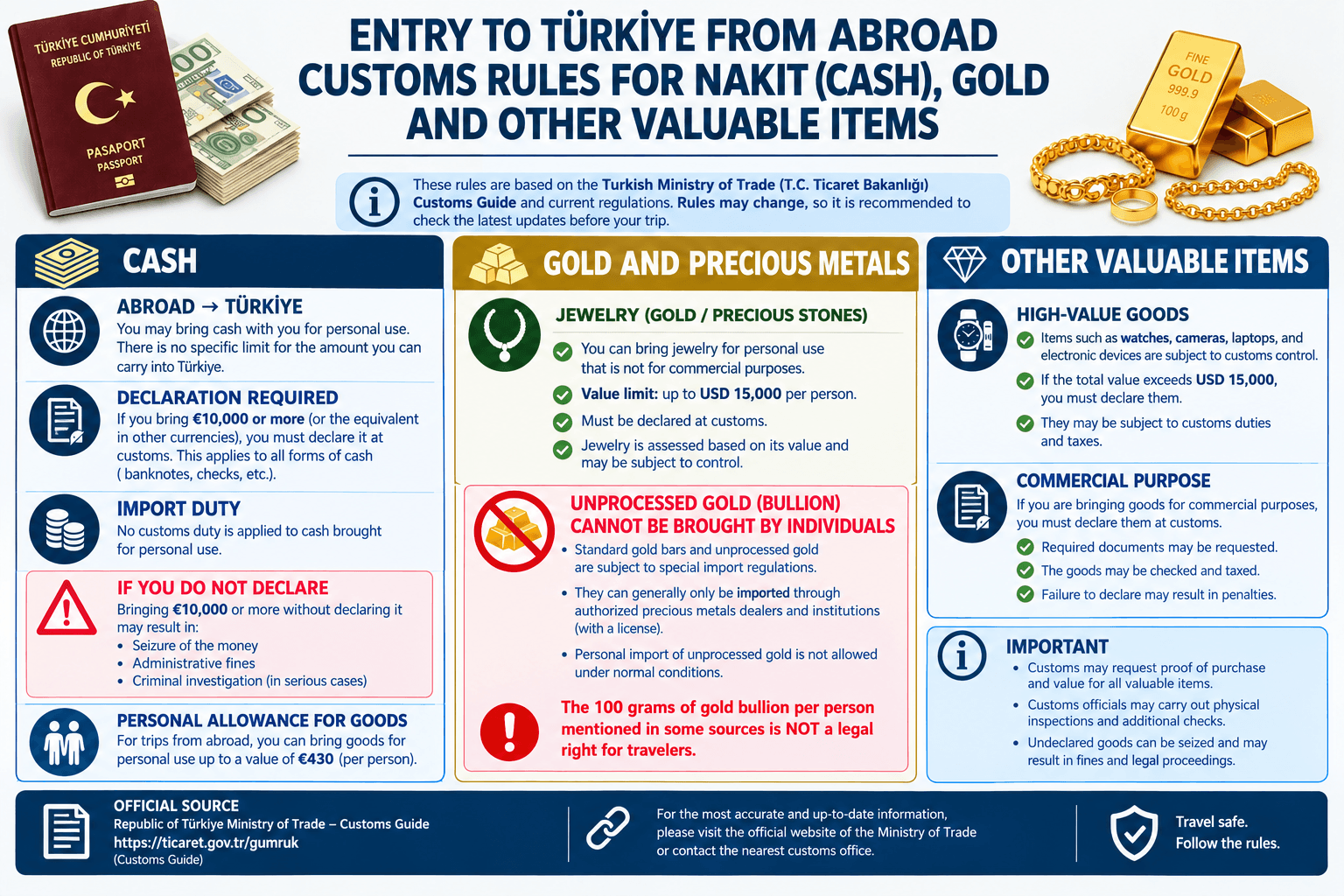
Can you bring unlimited gold or cash by paying tax? Avoid costly mistakes—learn the 2026 customs limits and commercial entry rules before you travel...
How can you obtain Turkish citizenship by residing in Turkey for 5 years without interruption? Updated requirements for 2026, required documents, types of residence permits, rules regarding...
The "closed neighborhood" rule for foreigners in Istanbul has been lifted as of June 10, 2026. Learn about the new residence permit application process here...
Planning to bring your pet to Turkey? Learn the requirements including microchip rules, rabies vaccination, titer test, airline regulations and procedures...
What Are the Intellectual Property Rights of Software Developers and Clients? Key Considerations Regarding Software Copyright and Employment Contracts...