Erdal Nuhbasa – Law and Consulting Firm – Legal Services

deport deportation

How to Lift a Deportation Order?

     Foreign nationals residing in Turkey may face deportation for various reasons. This process is not merely an administrative action but a serious legal matter with significant consequences. Therefore, we recommend that you contact Turkish deportation lawyers as soon as possible while following the process.

     Once you have been notified of the deportation decision, you have only (7) seven days to appeal. During this time it is possible to stop the decision while appealing correctly. It is also very important to inform the Immigration Authority of the case you have filed with the administrative court to stop the deportation order. 

What is Deportation?

deportation  Deportation is a decision which is taken by the governorship for removing foreigner from Turkey. According to the Law on Foreigners and International Protection No. 6458, the Directorate General of Migration Management (DGMM) may issue a deportation order under certain conditions. 

     A deportation order is usually issued when a foreign national is found to be violating visa or residence conditions, posing a threat to public order or security, or working without work permit. 

     When a deportation order is given, the person is informed about it in writing. They have 7 days to appeal the decision in court. While waiting for the result, the person may stay free or be taken to a removal center if there’s a risk that they might try to escape. Some people—like children, victims of human trafficking, or those who may face serious danger in their home countries—have special protection and usually cannot be deported.

Who can be deported from Turkey?

     According to the Directorate General of Migration Management, a foreign national may be deported if they meet one or more of the following criteria: 

  • Membership in a terrorist organization or criminal group,
  • Use of forged documents
  • Threat to public order, public safety, or public health, 
  • Overstaying a visa or violating residence permit rules, 
  • Working without a valid work permit
  • Entering or remaining in Turkey illegally. 

    For a more detailed list, please visit the official website of the Directorate General of Migration Management.

Who can not be deported from Turkey?

     Even If some foreigners meet the conditions listed in Article 54 of the Law on Foreigners and International Protection (which usually allows deportation), they cannot be deported if they belong to certain protected groups:

  • Risk of Inhuman Treatment: Individuals who would face the risk of death penalty, torture, or degrading or inhumane treatment in the country of return.
  • Medical and Humanitarian Concerns: Those who are deemed unfit to travel due to serious health conditions, advanced age, or pregnancy.
  • Lack of Medical Access: Persons undergoing life-threatening medical treatment that is not available in the destination country.
  • Victims of Human Trafficking: Individuals currently benefiting from protective or recovery services.
  • Victims of Violence: Persons who have suffered psychological, physical, or sexual violence, until their treatment is complete.

     Once the circumstances justifying protection cease to exist, authorities may proceed with issuing a deportation order. Each case must be assessed individually and may require legal consultation.

idari gözetim deport

What are the legal ways against deportation orders?

     “I have been given a deportation order, can I cancel it?” is one of the most frequently asked questions by foreigners. I will briefly explain what kind of rights people who have been given a deportation order have against this decision. The foreign national or their lawyer must be formally notified of the deportation ruling and its justifications. 

     After you have deport decision you have 7 days to appeal in the administrative court. Decision will be given within 15 days and there is not any chance to appeal this decision. During the legal procedure the foreigner can not be deported.

     To summarize briefly again:

  • Notification Process: The deportation decision is communicated to the foreign national in writing.
  • Appeal Period: You have 7 days from the notification date to file a lawsuit in the administrative court.
  • Court Process: The court is required to make a decision within 15 days.
  • Deportation is Suspended: The deportation cannot be executed until the court rules on the case.
detention report

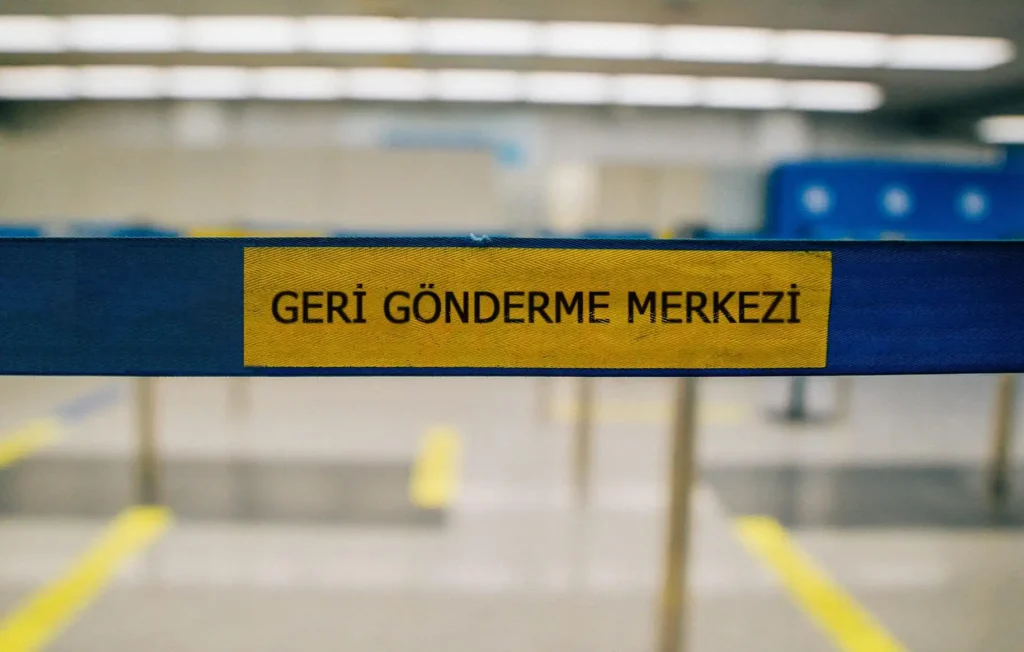
Do I have to stay in a Removal Center (Geri Gönderme Merkezi)?

     Foreign nationals subject to deportation are often placed in a Removal Center (GGM). However, this detention must be lawful. Detainees must be allowed to contact their lawyers and exercise their right to appeal. 

     A foreigner can be kept in a removal center for up to 6 months. If the deportation process takes longer because the person doesn’t cooperate or doesn’t give correct information about their home country, this period can be extended for another 6 months. Foreigners who are kept in removal centers have the right to object to this decision. They can appeal to the Criminal Judge of Peace to review the detention. 

     However, appealing against being held in a removal center does not stop the deportation process. This means that even if a foreigner is released from detention, they can still be deported. Deportation is only paused if the foreigner files a lawsuit to cancel the deportation decision itself, not just the detention.

Invitation to Leave Turkey

       In cases where a deportation decision is made against foreigners in Turkey, the competent authorities may grant the individual the opportunity to leave the country voluntarily. This process is notified to you via an official document. Generally, a period ranging from 15 to 30 days is granted. This period may vary for each individual and is clearly specified in the decision document. The period begins to run from the date of the decision.

     To enable the foreigner to depart from Turkey within the granted period, an Exit Permit Certificate is issued. This document is not subject to any fees and provides the means for a legal departure. If the departure takes place within this period and this document is utilized, an entry ban to Turkey may not be applied against the foreigner.

   The foreigner is required to notify their travel plan to the relevant Provincial Directorate of Migration Management at least 48 hours before departing from Turkey. If Turkey is not left within the granted time, an administrative detention decision may be taken against the foreigner, and the deportation procedure may be enforced

   In such a case, a long-term entry ban to Turkey may also be imposed. (How to Revoke Entry Ban?) However, in some cases, foreigners are not granted the opportunity for voluntary departure. 

   However, some people are not allowed to leave voluntarily. These include: 

  • People who may try to run away or hide,
  • People who entered or tried to leave Turkey illegally,
  • People who used fake documents,
  • People who tried to get a residence permit with false papers,
  • People who are seen as a danger to public safety or health.

What is an Administrative Detention Order?

     An Administrative Detention Order (İdari Gözetim Kararı) is a legal decision made by Turkish Governor’s Office (Valilik) to keep a foreign national in custody while their deportation process is being carried out. 

     When a foreigner is at risk of being deported, the Turkish authorities may decide to hold them in a removal (deportation) center. This is not the same as being arrested for a crime—it’s an administrative measure, used to make sure the person doesn’t escape or hide before leaving the country.

     Who is subject to administrative detention?
  • Those at risk of escape and disappearance,
  • Those who violate entry or exit rules in Turkey,
  • Those who use forged or false documents,
  • Those who, without an acceptable excuse, do not leave Turkey within the allotted time,
  • Those that pose a threat to public order, public safety or public health.

How long is Administrative Detention Decision?

     The duration of administrative detention at the removal center (GGM) cannot exceed six months. However, it may be extended for a maximum of six months in cases where the deportation proceedings cannot be completed due to the foreigner’s non-cooperation or failure to provide accurate information or documents. 

     The Administrative Detention decision is re-evaluated by the governorate every month. However, if deemed necessary by the governorate, the evaluation can be made without waiting for the thirty-day period.

     If it is decided by the Governorship that there is no need for administrative detention, this decision is notified to the Ministry of Interior and if the MOI approves it, the administrative detention order on the foreigner is lifted. These foreigners shall be subject to alternative obligations to administrative detention. These obligations can be:

  1. Residing at a specific address
  2. Family repatriation
  3. Going to counseling for returning
  4. Volunteering in public interest services
  5. Depositing Collateral
  6. Electronic monitoring


     These measures cannot last more than 24 months in total. If the foreigner does not follow the rules, they can be detained again. If a foreigner is required to wear an electronic monitor, they can ask the criminal court to review the decision. The court will make a decision within five days, and that decision is final.


detention deport

How to Revoke Administrative Detention Decision?

     By Filing Case

     If a foreigner is placed under administrative detention in Turkey, they have the right to challenge this decision. The person detained, their lawyer, or legal representative can file an appeal to the Criminal Court of Peace. Filing an appeal does not stop the detention, but the court will review the case quickly. 

     If the appeal is first given to the immigration office, it must be forwarded to the court right away. The judge must make a decision within five days, and that decision is final. If the situation changes or there is no longer a reason for detention, another appeal can be submitted.

     By Getting Annotated Visa

     Foreigners can enter Turkey with a legitimate visa even if they have a deportation order against them. A “Visa with Annotation” (Özel Meşruhatlı Vize) is a special type of visa granted to foreigners, allowing them to enter Turkey even if they have previously been subject to a deportation order. 

     Foreigners must apply for annotated visa at Turkish consulates in the country where the he/she is residing. After evaluating the application, authorities will issue the visa for a duration that fits the applicant’s situation. This process provides a legal pathway for people who would otherwise be restricted from entering Turkey due to deportation decisions.

Why Legal Representation Is Essential?

     Deportation proceedings directly affect basic human rights. Working with an experienced immigration lawyer can prevent delays and minimize the risk of deportation. Filing release requests from Removal Center in time is important because once you are our of Turkey everything could be harder for you. As your lawyer we ensure timely court petitions, and gather necessary documentation for a strong defense.

     As a lawyer experienced in deportation proceedings in Turkey, I am committed to defending the legal rights of foreign clients effectively. If you have received a deportation order, contacting me without delay is crucial. Legal timeframes are very short—every hour counts. You can reach me by email or whatsapp for assistance.

Frequently Asked Questions?

Will I be deported immediately after learning of the decision?

No. You have 7 days to appeal the decision, and deportation cannot be carried out during this period.

Can a deportation decision be revoked?

Yes, it can be annulled by a court if a valid defense is presented. 

Can a deported person return to Turkey?

Typically, entry ban is imposed. You can appeal ban decision and remove entry ban or you can get annotated visa to enter to Turkey.

Who Pays for Travel Costs in a Deportation?

In Turkey, the cost of deporting a foreigner is primarily the responsibility of the individual being deported. If the person has enough money, they must pay for their own travel. If they have no money at all, the government covers the expenses. In cases where the foreigner has limited funds, part of their money is kept for basic needs, and the rest is used toward travel costs. Any remaining expenses are paid by the government.

If these costs are not repaid, the individual may be banned from reentering Turkey until payment is made.

For more information...

Contact me!
Other Articles
Bringing Foreign Car to Turkey: Limit and Customs Procedures (2026)
Learn the legal requirements for bringing foreign-plated car to Turkey, including the 185-day rule, 730-day limit and customs procedures.
2026 Residence Permit Costs and Fees in Turkey
Updated 2026 residence permit fees in Türkiye. Detailed explanation of residence card fee, residence tax, exemptions and payment process.
Turkey Customs Guide 2026: Cash and Gold Limits
Can you bring unlimited gold or cash by paying tax? Avoid costly mistakes—learn the 2026 customs limits and commercial entry rules before you travel.
How to Pay the Residence Permit Fee?
A step-by-step guide to easily paying your residence permit fee online in Turkey. Which banks and payment methods are available?
Amnesty for Illegal Foreigners in Turkey, How to Apply?
An amnesty has been introduced in Turkey for illegal foreigners who want to work in domestic services. As of March 2025, Ministry of Interior will allow individuals who cannot schedule an appointment through the e-residence system to apply manually.
Entry Ban to Turkey: How to Revoke Entry Ban
If you have an entry ban to Turkey, you can learn the reason and then appeal the ban decision for revoking the entry ban decision.
YÖK Diploma Equivalency for International Students: How to Apply (2026)
How International Students Can Get a YÖK Diploma Equivalency Certificate in 2026 – Step-by-Step Guide with Required Documents and Online Application
Family Residence Permit in Turkey – 2026 Comprehensive Guide
Get your Turkey Family Residence Permit: eligibility, fees, documents, duration, and step-by-step guide to live with your spouse and children.